In Wiser Than Despair, Quentin Faulkner argues that religion manifests itself in myth (divine revelation and doctrinal content), ethos (behavior or morals), and cult. After acknowledging that the term “cult” has “fallen into ill repute” today and insisting that it is nevertheless “crucial to the understanding of religion (and music in the service of religion), and we need to to reclaim its original meaning,” he quotes a helpful definition of the term by Sigmund Mowinckel:
Cult . . . may be defined as the socially established and regulated holy acts and words to which the encounter and communion of the Deity with the congregation is established, developed, and brought to its ultimate goal . . . a relation in which a religion becomes a vitalizing function as a communion of God and congregation, and of the members of the congregation among themselves . . . the visible and audible expression of the relation between the congregation and the deity.
In other words, as Faulkner notes, it is close to our term “corporate worship” today, but only a particular view of corporate worship. Faulkner explains:
“Worship” is conceived today as being a good and fitting thing for God-fearing people to do, but it is by no means normally understood as being the life-and-death matter implicit in the concept of cult. The meaning of the word “cult” is immediately compromised the moment any suggestion of convenience or indifference is connected with it.
Faulkner then presents what I have found to be one of the most potent examples of what he means:
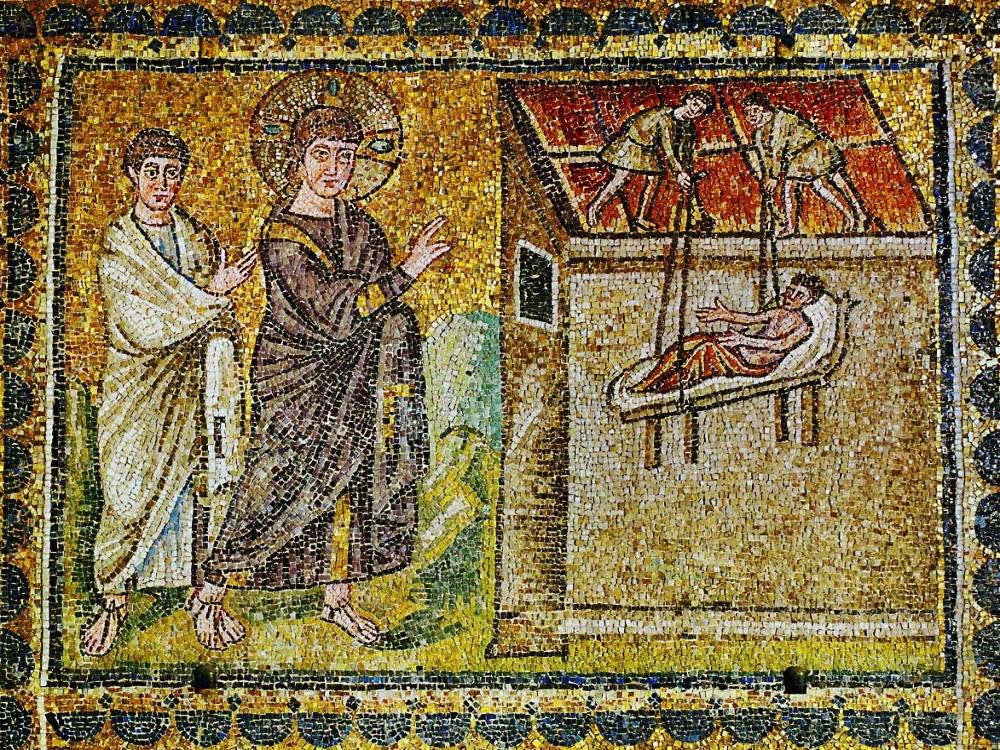
In present U.S. society, church members who are moderately ill (e.g., a bad cold or a case of the flu) would normally be inclined not to attend a service of worship, not only because they do not feel well, but because they would want to inhibit the spread of disease (a gesture of thoughtfulness). When fully world-conscious people are ill, on the other hand, attendance at cultic observances is a vital necessity; if their own strength fails them, then they are carried to the cultic assembly by their relatives, or the assembly comes to them. Cult is the means by which life is secured and the forces that threaten life (demons, disease, curses) are vanquished or held at bay. To be cut off from the cult is to die–both spiritually and ultimately physically as well. Therefore participation in the cult is hardly a take-it-or-leave-it affair; it is an essential prerequisite for living, indeed for survival. No matter what other aspects of religious observance might have to be curtailed (e.g., alms-giving or religious instruction), it is imperative that cultic celebrations be conducted in all fullness, since the strengthening of the cult is the central concern in people’s lives. The idea of cult inevitably involves notions of covenant, solidarity, ritual, sacrament, and ornament . . .
How does this view of corporate worship differ from how most people think today?